Medical Device Integration
Turn Wearable & Device Data Into Patient Insights
Medical device integration that connects wearables and clinical devices to your EHR, giving your team continuous, reliable patient data for faster decisions.
- Seamless device connectivity
- Remote patient monitoring
- Analytics & dashboards
- Secure APIs & SDKs
- HIPAA & FDA support
Patient #2048 · Remote monitoring
3 devices connected
72 bpm
98
SpO₂ · %
118/76
Blood pressure · mmHg
104
Glucose · mg/dL
- SmartwatchLive
- BP monitorSynced 2m ago
- GlucometerSynced 1h ago
Connected Devices, Continuous Patient Insights
Wearable and healthcare IoT integrations that keep your care team informed between visits and feed remote monitoring and care coordination, with the security and compliance healthcare demands.
Connect wearables and medical devices to your systems with minimal setup and reliable, standards-based data flow.
- 01
Plug-and-Play Compatibility
Devices connect with little manual configuration for staff or patients.
- 02
FHIR & HL7 Compliance
Readings exchanged in standard formats your EHR already understands.
- 03
Low-Latency Data Sync
Near-real-time transfer from device to dashboard and record.
- 04
Cross-Platform Integration
Different devices, apps and vendor clouds working together.
- 05
Automatic Device Updates
Firmware and app updates that keep features, security and compliance current.
- 01
Module 01 of 05
Seamless Device Connectivity
Connect wearables and medical devices to your systems with minimal setup and reliable, standards-based data flow.
- 01
Plug-and-Play Compatibility
Devices connect with little manual configuration for staff or patients.
- 02
FHIR & HL7 Compliance
Readings exchanged in standard formats your EHR already understands.
- 03
Low-Latency Data Sync
Near-real-time transfer from device to dashboard and record.
- 04
Cross-Platform Integration
Different devices, apps and vendor clouds working together.
- 05
Automatic Device Updates
Firmware and app updates that keep features, security and compliance current.
Module 02 of 05
Remote Patient Monitoring
Track patients between visits and give care teams the right signal at the right time.
- 01
24/7 Health Tracking
Continuous vitals and activity monitoring with early detection of abnormal readings.
- 02
Automated Alerts
Care-team notifications when readings cross the thresholds you set.
- 03
HIPAA-Compliant Security
Encryption and access controls protect every reading.
- 04
AI-Based Insights
Trend detection that highlights patients who need attention first.
- 05
Multi-Device Compatibility
One program across different devices and ecosystems.
Module 03 of 05
Analytics & Visualization
Turn raw device readings into clear, decision-ready views for clinicians and administrators.
- 01
Custom Dashboards
Personalized views of patient data and the KPIs your team tracks.
- 02
Predictive Analytics
AI/ML models that flag risk, readmission and disease progression.
- 03
Data Export & Sharing
Secure exports in formats like CSV and JSON for research and reporting.
- 04
Trend Analysis
Long-term patterns that point-in-time readings miss.
- 05
Mobile-Friendly Reports
Reports clinicians can open on any device.
Module 04 of 05
Secure APIs & SDKs
Developer-friendly building blocks to connect devices, apps and data platforms quickly and safely.
- 01
Developer-Friendly APIs
Clean APIs that connect devices, apps and data platforms.
- 02
Cross-Platform SDKs
Development kits for iOS, Android and the web.
- 03
End-to-End Encryption
Data protected in transit and at rest across every API call.
- 04
Customizable Workflows
APIs shaped around your practice's clinical workflows.
- 05
Faster Development
Pre-configured components that shorten build time.
Module 05 of 05
Compliance & Regulatory Support
Meet healthcare privacy and device regulations from design through deployment.
- 01
HIPAA & GDPR Compliance
Privacy and security safeguards built into the integration.
- 02
FDA & CE Support
Documentation and processes that support device certification.
- 03
Audit Trails & Logging
A full record of data access and changes.
- 04
Data Anonymization
De-identified data for analytics and research use.
- 05
Regulatory Consulting
Guidance on the rules that apply to your devices and markets.
Want to bridge the gap between devices and care decisions?
See how connected devices can feed reliable data straight into your clinical workflows.
From Device to Decision, in Near Real Time
How readings travel from a patient's device to the clinician who needs them.
- STEP 01
Connect Devices
Pair wearables and medical devices over Bluetooth, Wi-Fi, cellular or vendor clouds.
- STEP 02
Ingest & Normalize
Collect readings securely and clean them into one consistent format.
- STEP 03
Map to FHIR / HL7
Translate readings into standard observations your systems understand.
- STEP 04
Deliver to Care Systems
Push data into the EHR, RPM platform and clinician dashboards in near real time.
- STEP 05
Alert & Act
Notify the care team when readings cross thresholds so they can act early.
Connect the Devices Patients Use to the Systems You Run
We integrate clinical devices and consumer wearables, over whatever connection they support, into the platforms your team works in.
Devices & Wearables
Clinical-grade devices and consumer wearables used at home and in the clinic.
- BP Monitors
- Pulse Oximeters
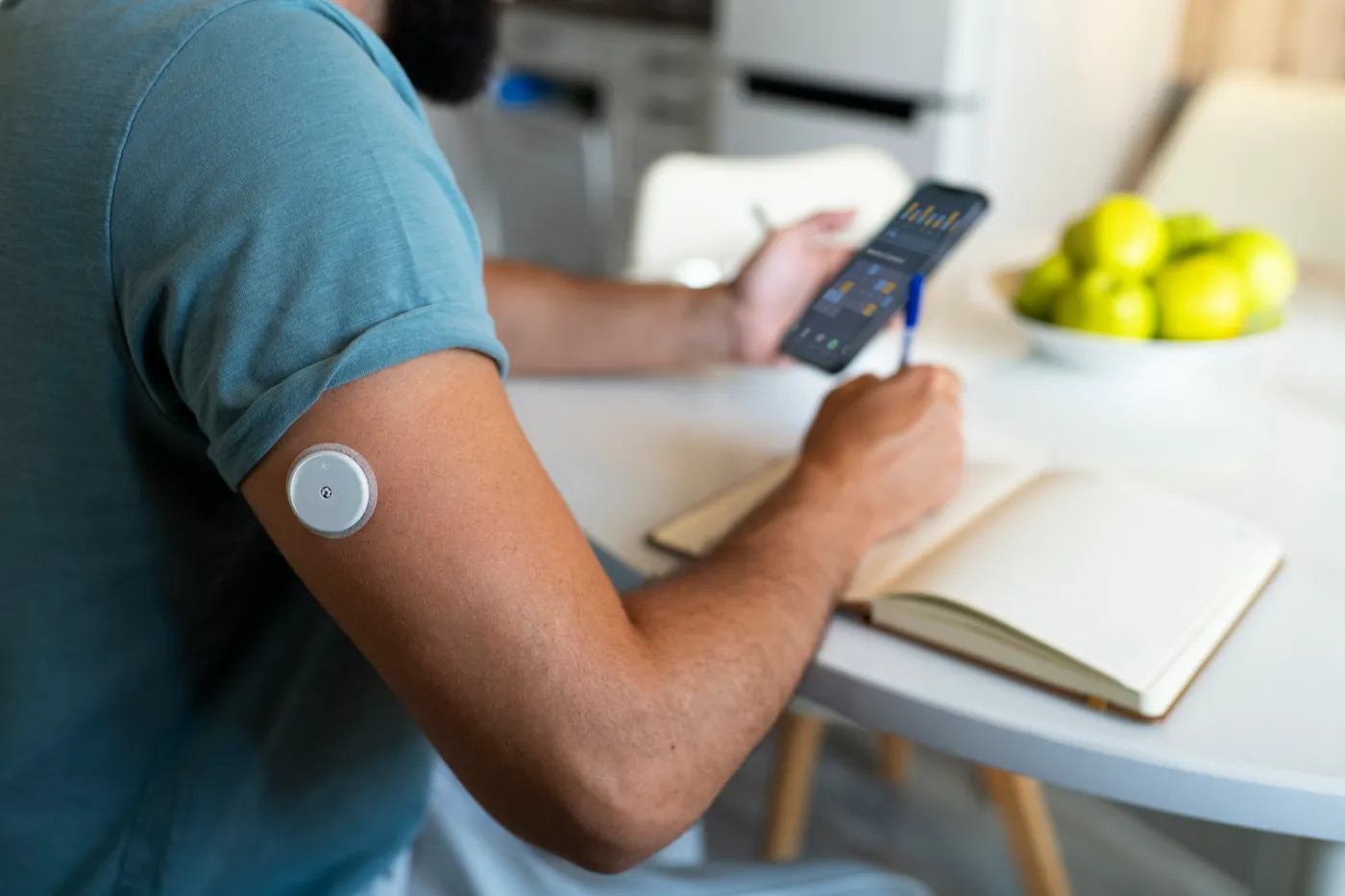
- Glucometers & CGMs
- Smartwatches
- Weight Scales
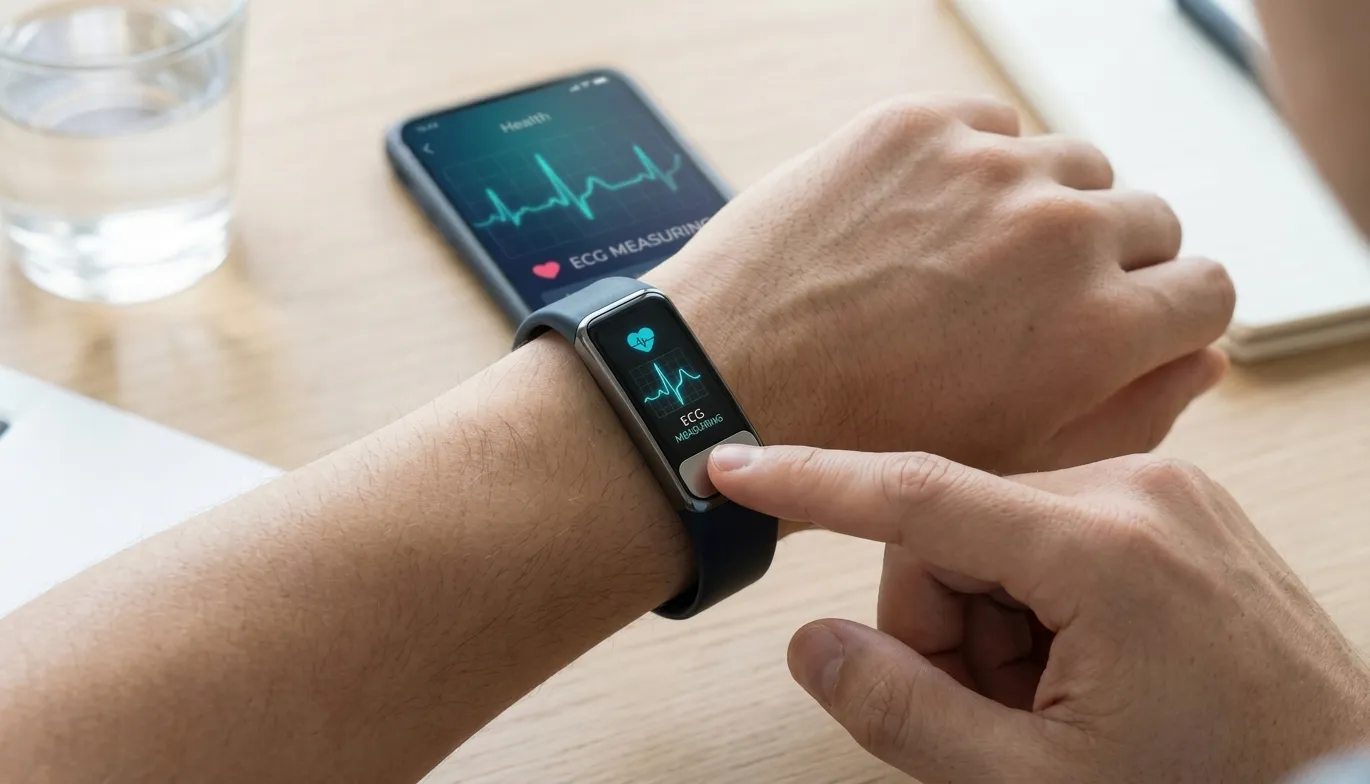
- ECG Monitors
- Thermometers
- Spirometers
Any Connection
Readings captured over the channel each device supports, securely.
- Bluetooth LE
- Wi-Fi
- Cellular Gateways
- Apple HealthKit
- Google Health Connect
- Vendor Cloud APIs
Into Your Systems
Data delivered where your team makes decisions, in standard formats.
- EHR / EMR
- RPM Platforms
- Care Management
- Patient Apps
- Clinician Dashboards
- Analytics & Research
Join Our Happy Clients: See What They Say
Healthcare teams share how connected devices changed the way they monitor and care for patients.
Real-time data we can trust
Device readings now arrive in our records accurately and on time, which has changed how quickly we respond.
Timely & Affordable Medical Device Integration
Connect the devices you need within your budget and timeframe. These are the factors that shape both.
Complexity
Software complexity, functional scope and feature depth
Type
Software type, such as web, mobile, tablet or desktop
No. of Users
The expected number of users, roles and care locations
Integrations
Integrations required by your workflows and regulations
Compliance
Regulatory compliance and certification requirements
Security
Performance, security, usability and accessibility needs
Deployment
Deployment model, such as on-premise, cloud or hybrid
Sourcing
Sourcing model, team composition and engagement type
We deliver device and wearable integrations in these timeframes
- Project kick-off
- 1 Week
- MVP release
- 2–4 Months
- New software versions
- Every 2–4 Weeks
Need an estimate for your device integration project?
Answer a few quick questions and we'll send you a tailored estimate.
Medical Device Integration Case Studies
How we help healthcare organizations bring device data into everyday care, from clinical dashboards to healthcare mobile apps.
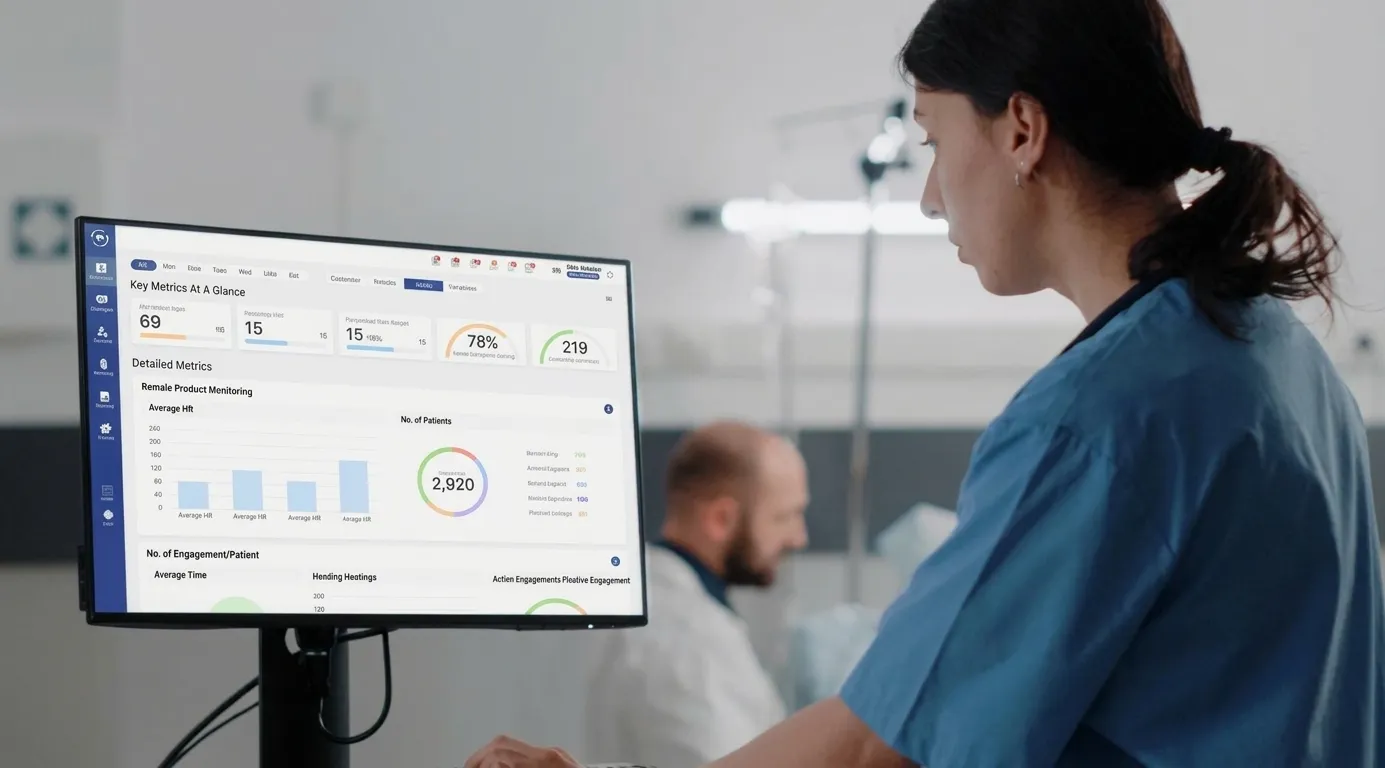
RPM Device Data Ingestion Layer
An ingestion layer collects readings from many RPM devices, normalizes them and delivers them to the EHR in near real time.
Empowering Healthcare Innovation
- 250+
- Healthcare Projects
- 400+
- Healthcare Experts
- 98%
- Client Retention Rate
- 150+
- Healthcare Customers
- 50%
- Cost Saving on Development
Affordable & Flexible: Engagement Models for Every Need
Whether you need a dedicated team, project-based work or ongoing support, our flexible engagement models fit your needs.
I have a requirement and want to pay a fixed price
Fixed-Price Project
Share your requirements and we'll run a discovery call to understand them in detail, then give you a clear estimate and deliver high-quality work.
- Clear, upfront project estimate
- Milestone-based delivery
- Pay on completion and your satisfaction
I want to hire healthcare software developers hourly
Dedicated Hourly Developers
Hire dedicated developers with a full month of focused attention, transparent billing and daily timesheets, guided by a complimentary delivery manager.
- Full-time monthly focus
- Transparent billing & daily timesheets
- Complimentary delivery manager
Faster Medical Device Integration with Pre-Built Components
Ready connectors, SDKs and dashboards help us bring your devices online quickly and securely, with SMART on FHIR data exchange.
Your Platform
Device Hub
Boost Workflow Efficiency with Reliable Integrations
Connect your device platform with ePrescribing, labs, billing and patient communication systems. See our EHR integration services.

6 integrations
ePrescription & Labs
Secure prescribing, real-time lab exchange and interoperable clinical workflows.
- ePrescribing networksNationwide eRx with EPCS and medication history.
- Reference laboratoriesElectronic lab orders and structured results.
- Regional & hospital labsHL7 interfaces for local lab partners.
- Supplement dispensariesRecommend and order supplements from the chart.
- Drug databasesInteraction, allergy and formulary checks.
- Imaging centersOrder imaging and receive reports in the chart.
Ready to put device data to work for your care team?
Our Healthcare Developers' Framework & Technology Expertise
Experienced healthcare software developers and teams working across a wide range of technologies and frameworks.


Affordable Development Anytime, Anywhere
Our healthcare software developers understand the unique clinical needs and requirements of your practice, and follow a proven four-phase process.
- 01
Discovery
Domain Experts
Understand clinical workflows and real end-user needs.
Business Requirements
Shape a market-fit solution around your practice goals.
Wireframes & User Flows
Define key software functions and everyday user flows.
- 02
Development
Dynamic UI/UX
Elevated experiences for both patients and providers.
Sprint Planning
Plan the whole build carefully in short, focused sprints.
Coding & API Integration
Code built to meet all required compliance standards.
- 03
Testing
Manual Testing
Hands-on manual checks of every function and screen.
Automation Testing
Scripted tests for repeatable, reliable test coverage.
End-to-End Testing
Thorough end-to-end testing of clinical workflows.
- 04
Deployment
Secure & Compliant
Secure, HIPAA-compliant and scalable infrastructure.
Integration
Full application integration for a smooth, safe go-live.
Maintenance & Support
Feedback and audits for continuous product improvement.
Need to design, develop or improve your healthcare software?
Device & Wearable Insights
Everything about connecting devices and wearables to modern care.
- Guides
How to Integrate Wearables With Your EHR
From device selection to FHIR observations in the patient record.
Read more - Guides
Building a Remote Patient Monitoring Program
Devices, workflows and alerts that keep care teams ahead.
Read more - Standards
Mapping Device Readings to FHIR Observations
Codes, units and the details that make data usable.
Read more - Standards
Securing Connected Medical Devices
Encryption, authentication and monitoring best practices.
Read more - Cost
What Drives Device Integration Cost
Device count, connectivity, compliance and support explained.
Read more - Cost
Build vs Buy for RPM Platforms
Comparing cost, flexibility and time to launch.
Read more
Frequently Asked Questions
Still have questions?
Our healthcare engineers are happy to talk specifics.
It's connecting devices such as blood pressure monitors, pulse oximeters, glucometers and smartwatches to your EHR and care platforms, so readings flow into patient records automatically instead of being typed in by hand.
Wearables give care teams a continuous view of vitals and activity between visits, which helps them spot problems earlier and move from reactive to proactive care.
Protecting patient data, ensuring device accuracy, fitting the data into clinical workflows without overwhelming staff, and handling the many different device types and data formats.
Connected devices enable remote monitoring, better chronic disease management and telemedicine, and they make hospital operations more efficient by automating data capture.
RPM uses connected devices to track patients' vitals at home and share them with the care team, catching problems early and reducing avoidable hospital visits.
With end-to-end encryption, strong authentication, role-based access, regular firmware updates and continuous monitoring of which devices and people access the data.
Smarter, more accurate sensors, AI-driven personalized guidance, and clinical-grade features like ECG, blood oxygen and continuous glucose monitoring in consumer devices.
Automatic data sharing removes manual entry and the errors that come with it, giving clinicians accurate, up-to-date information for faster diagnosis and treatment decisions.
Interoperability standards like HL7 and FHIR let devices, apps and EHRs share data reliably, so care is coordinated and nothing gets lost between systems.
Not yet. Wearables complement clinical monitoring, especially for chronic conditions, but diagnosis and critical monitoring still rely on clinical-grade equipment.
Accuracy, data security, ease of use, real-time insights, battery life and comfort for all-day wear.
They encourage healthier habits and give patients more visibility and control over their own health, which supports better adherence to care plans.
Depending on the device and market, FDA guidance, HIPAA in the US and GDPR in the EU govern how device data is captured, secured and exchanged.
By monitoring trends over time, setting threshold alerts, personalizing treatment plans and managing chronic conditions with data rather than occasional snapshots.
More personalized, real-time and AI-supported devices, with more care delivered at home and tighter integration into clinical systems.
Let's build the ideal medical device integration for your practice
Partner with Syntech Labs to connect medical devices and wearables securely, with HIPAA-compliant data flowing straight into care.